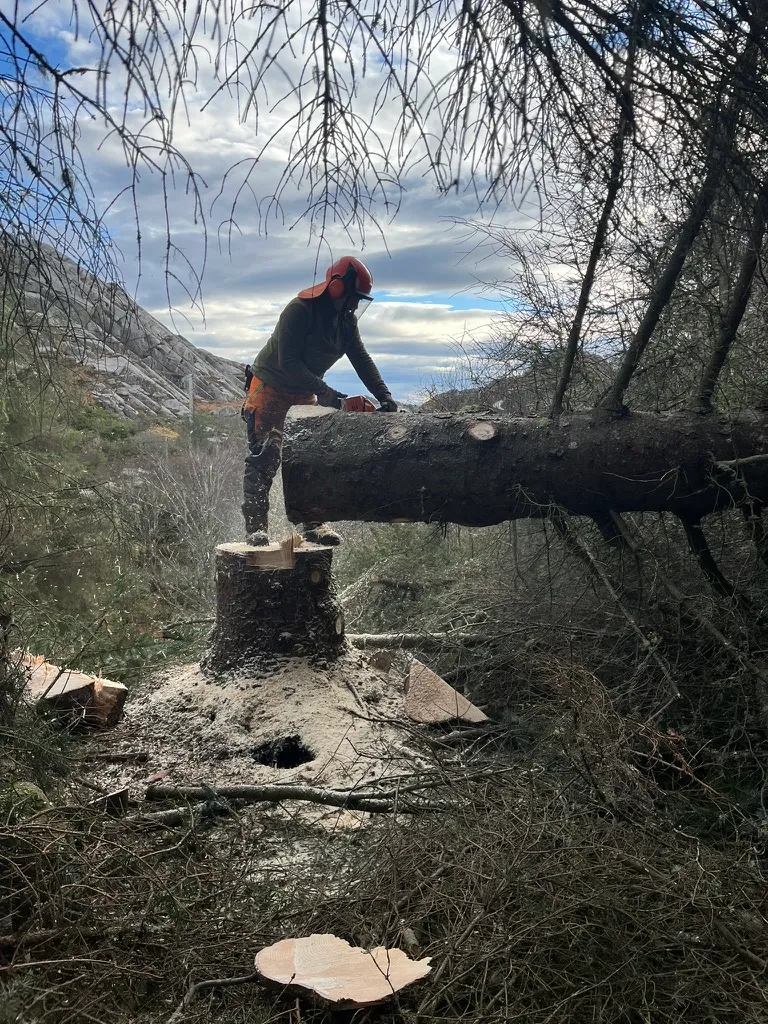
I own some land in the south-west of Norway. Back in the 1950s and '60s it was planted thick with Sitka spruce, and by the time it came to me those trees had grown almost too big to handle. I had some time off, and decided to finally deal with them.
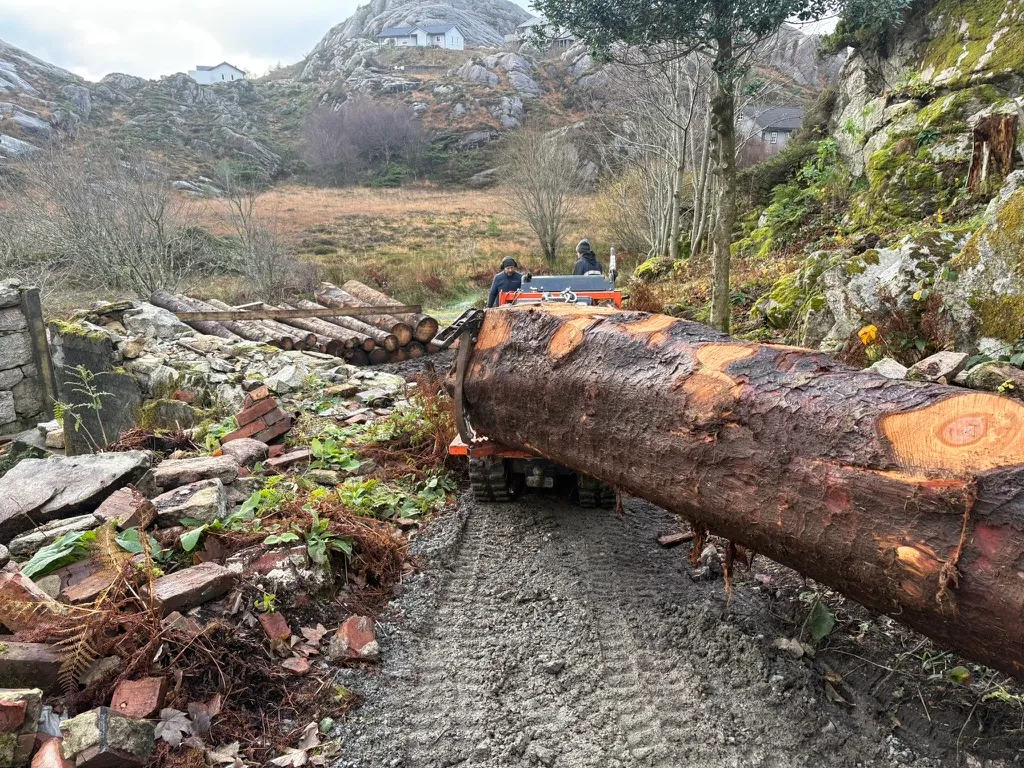
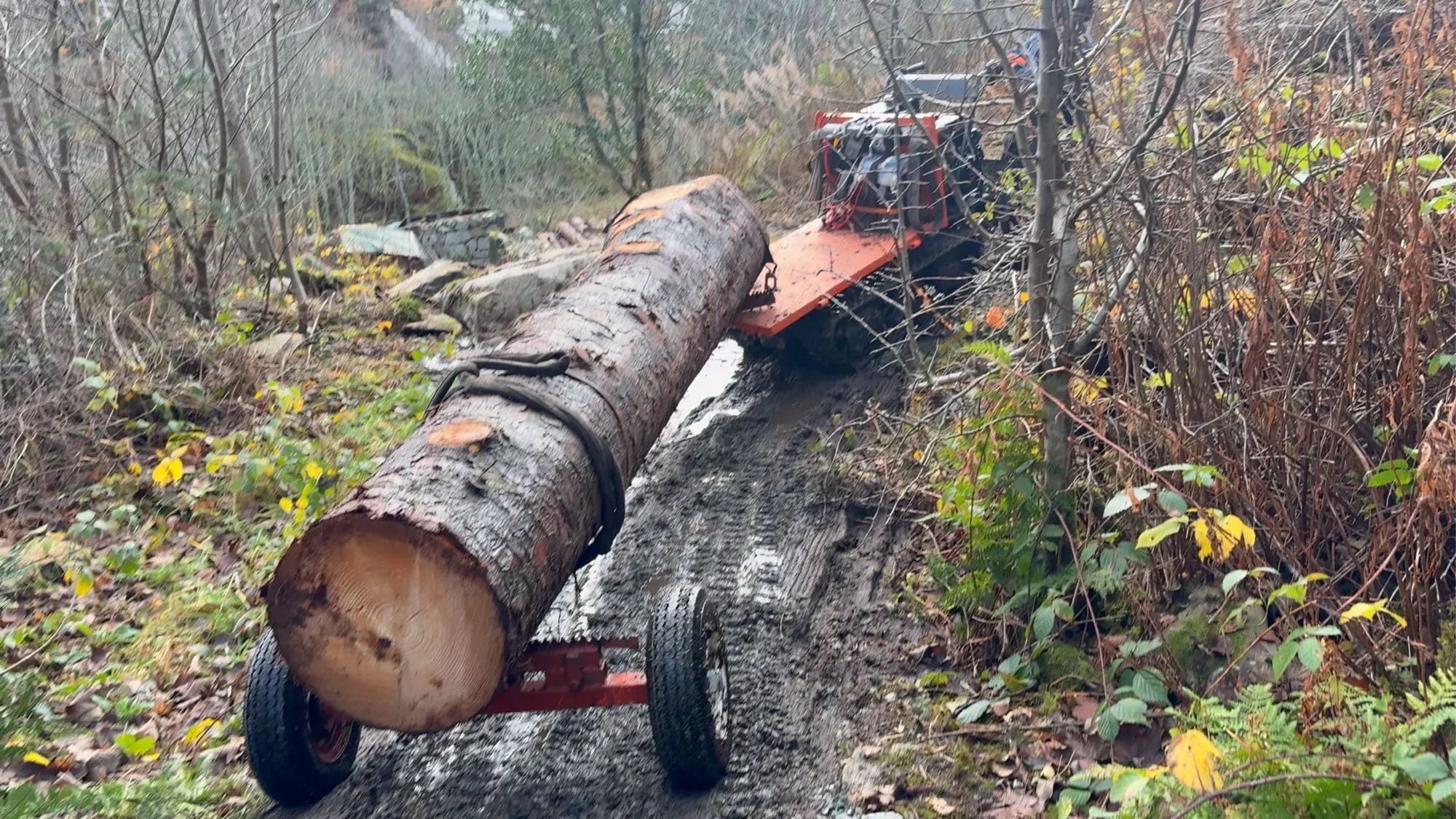
I made a deal with a local lumber company — I'd fell the trees and stack the logs, they'd haul them away. That's when I learned the real lesson: felling the trees was the easy part. Moving the logs was the killer. Getting that first load out nearly finished me, so I bought a chainsaw mill from Logosol and started processing the logs more or less where they fell. Everything got easier.
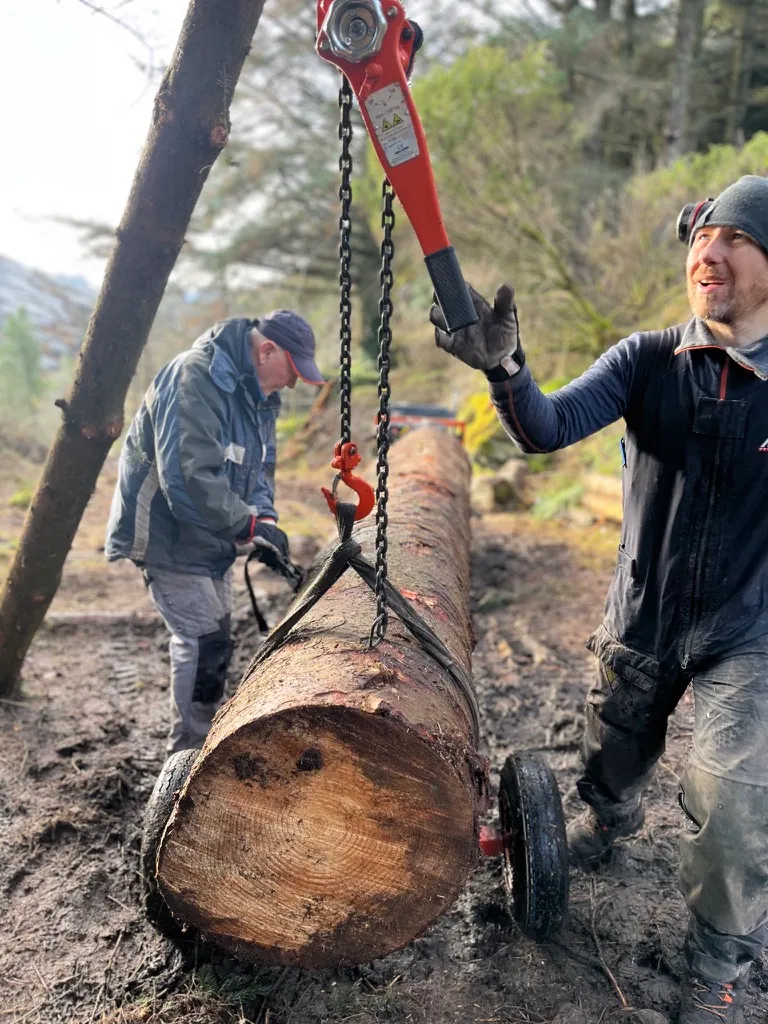
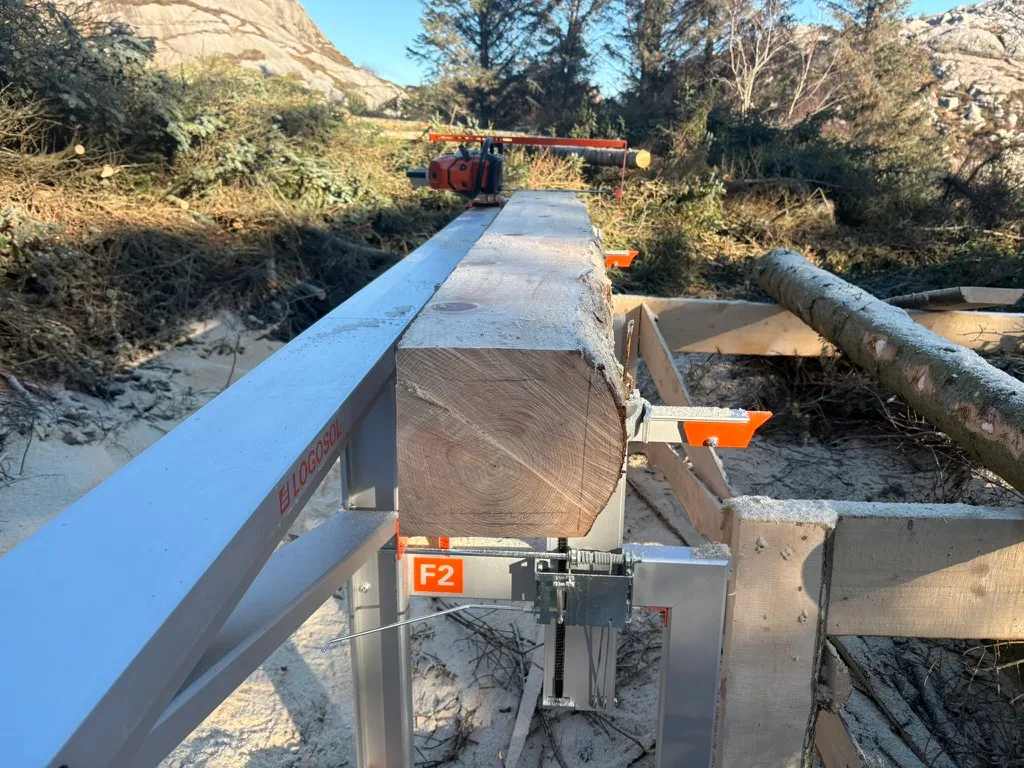
Everything except planning the cuts. I'm no expert at that, so I went looking for an app to help. I found a few — none at the level I wanted. I'm a developer by trade, 30-plus years of it, so I said the famous last words: how hard can it be?
Hard, it turns out. But here's what came out of it.
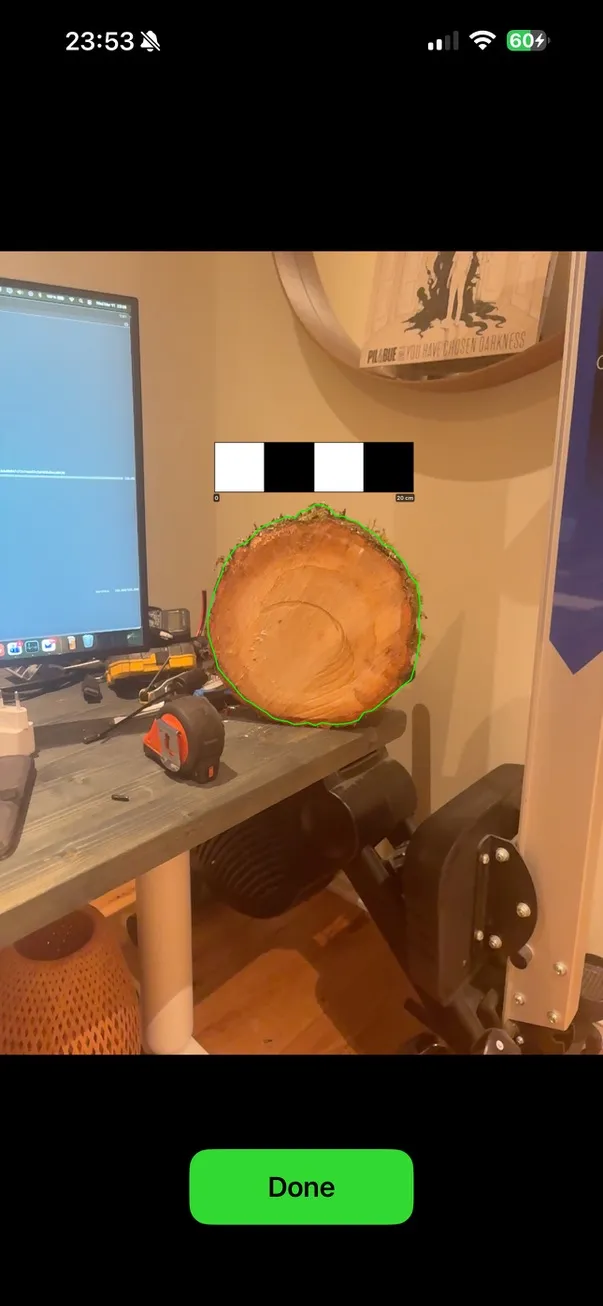
- Measure a log with your phone camera — point it at the end of the log and read the dimensions. No wrestling a tape measure on every butt.
- Tag each log where it falls, find it again at the mill — so nothing gets mixed up between the woods and the saw.
- Plan the cuts properly — accurate sawing sequences for the way you actually work — the part I went looking for in the first place.
- Know how long it'll dry — a drying module that works out EMC for your local climate, charts the drying time, watches the real weather as the wood dries, and lets you calibrate against your own moisture readings.
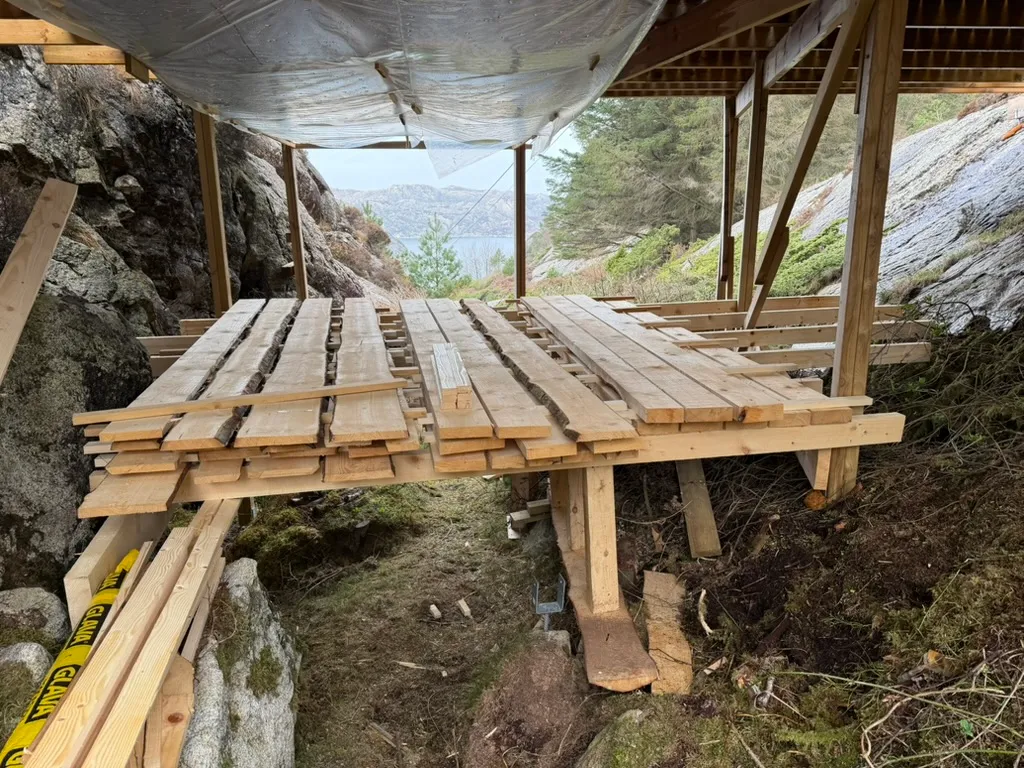
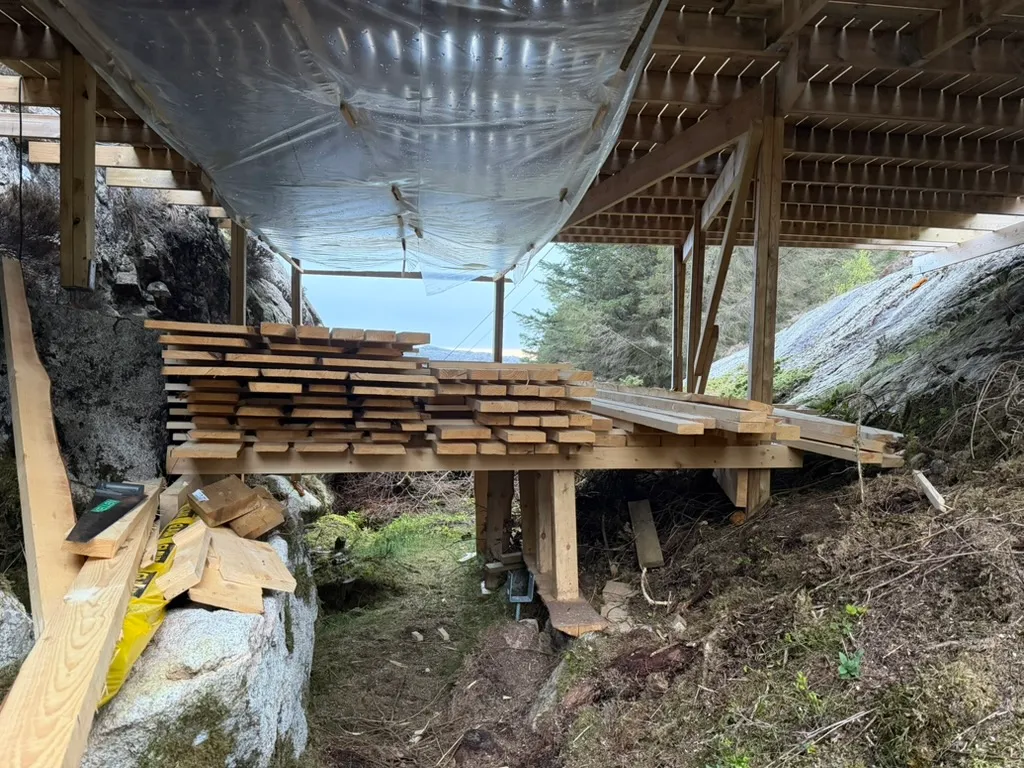
That's LogPlan: the whole job, log in the woods to dry board on the shelf, because I hit every one of those walls myself. It's free to try. I'd rather hear where it's wrong than be told it's clever.
— Jon